Join our campaigns!

Who we are

The River of Peace Organization for Afghans (RPOA) is a respected non-profit and non-governmental organization dedicated to serving the Afghan population, officially established on August 11, 2020. With registration number 4984 from the Ministry of Economy of Afghanistan, RPOA's headquarters in Kandahar Province, symbolizes its commitment to grassroots engagement.

What we do

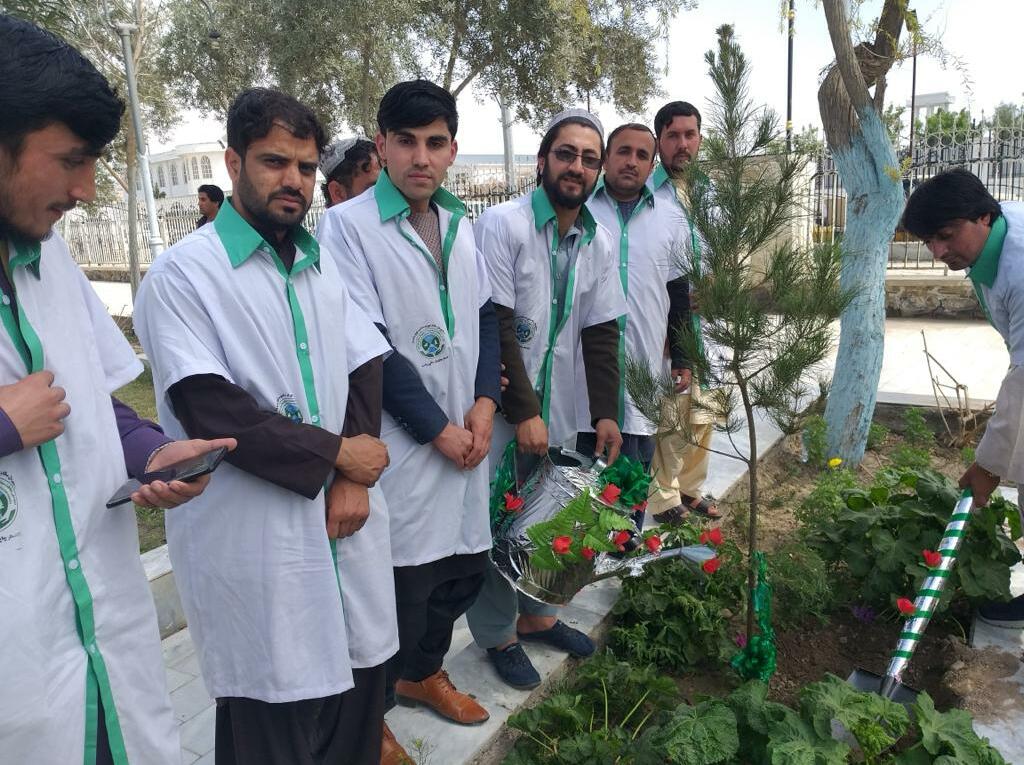
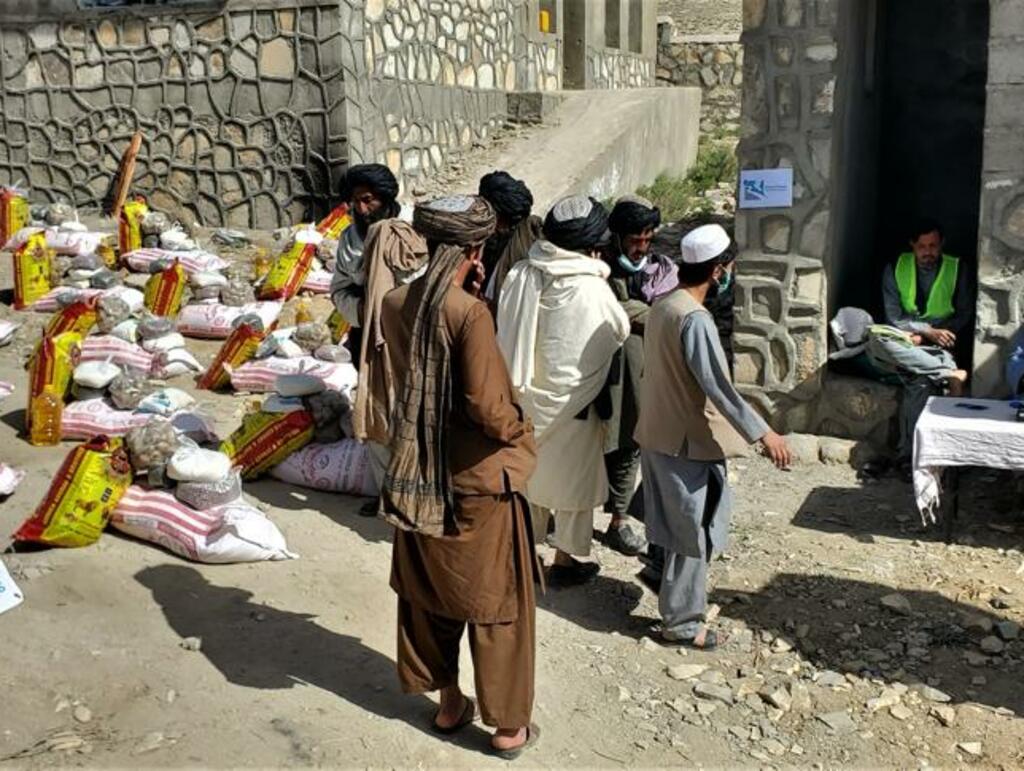
RPOA has actively carries out impactful initiatives across various sectors like education, health, livelihood, and emergency response, especially focusing on underserved regions of Afghanistan..


Overall Performance

8

Main Projects

6000+

Direct Beneficiaries Covered

$ 350,000+

Funded

Our Recent Project


Livelihood support -poultry farming project

Funded by the UNDP and implemented by RPOA in collaboration with the DAIL of Kandahar, this project provided poultry package assistance to 100 vulnerable households in the Dand and Zhari districts of Kandahar Province. Targeting households facing poverty, limited employment, and subsistence farming challenges, including women-headed households, households with disabilities, and vulnerable groups such as IDPs, returnees, and host community residents, the project distributed chickens, feed, drinkers, feeders, and training on raising egg-producing hens. Benefiting 950 individuals, the initiative improved nutrition and generated sustainable income through poultry farming. Enhanced livelihoods were achieved as households gained skills in poultry management, contributing to economic stability and promoting small-scale poultry farming as a viable income source in local areas. The project had both short-term and long-term positive impacts on beneficiaries' quality of life and economic well-being.
Our vision is to have built Afghanistan where vulnerable people have equal opportunities to thrive, with improved health, protection, and access to quality education, ultimately leading to a higher standard of living and reduced poverty.

RPOA exists to create, provide, and promote livelihoods, health, protection, and access to education for vulnerable communities thereby enhancing their well-being and standard of living while reducing poverty.

Our Partners